
Tooth erosion is the gradual loss of enamel caused by acid dissolving the tooth surface, rather than by bacteria. The acid usually comes from food and drink, such as citrus fruit, fizzy drinks, and pickles, or from stomach acid in conditions like reflux. Enamel lost to erosion does not grow back, but early erosion can be slowed or stopped with simple changes to diet and daily habits.
Erosion is different from a cavity. Decay creates a localised hole where bacteria feed on sugar, whereas erosion thins the enamel evenly across whole surfaces of the teeth. Because it happens slowly and is often painless at first, many people only notice it once their teeth start to look yellower or feel more sensitive.
What tooth erosion is
Enamel is the hardest substance in the body, but it is made of minerals that soften when the mouth becomes acidic. Each time you eat or drink something acidic, the surface of the enamel softens slightly. Saliva then works to neutralise the acid and return minerals to the tooth, a natural repair process that takes time.
Problems start when acid attacks happen more often than saliva can keep up with. Frequent sipping of acidic drinks throughout the day, for example, keeps the enamel in a softened state for long periods. Over months and years the surface wears away layer by layer, exposing the yellower dentine underneath.
Common causes of erosion
Most erosion comes from everyday food and drink rather than anything unusual. In India, many traditional favourites are acidic, which is worth knowing so you can enjoy them sensibly rather than avoid them altogether. Common sources of acid include:
- Fizzy soft drinks, energy drinks, and packaged fruit juices, including diet and sugar-free versions
- Citrus fruits and lemon water, especially when sipped slowly or taken first thing in the morning
- Tangy foods such as pickles, tamarind, raw mango, chaat, and vinegar-based sauces
- Sports drinks and flavoured sparkling water
- Stomach acid from acid reflux, frequent vomiting, or eating disorders
Some habits make erosion worse. Brushing hard straight after an acidic meal can scrub away softened enamel, and a dry mouth leaves teeth with less saliva to protect them. Grinding the teeth can also add physical wear to surfaces already weakened by acid.
Signs and symptoms to watch for
Early erosion is easy to miss because it rarely hurts. Looking out for the following changes can help you spot it before significant enamel is lost:
- Sensitivity or a brief sharp twinge with cold, hot, or sweet foods
- Teeth that look more yellow as the dentine begins to show through
- Front teeth with thin, slightly see-through edges
- Rounded, smooth, or shiny-looking surfaces where natural grooves have faded
- Small dips or cupped areas on the chewing surfaces of back teeth
Fillings that seem to stand proud of the surrounding tooth can also be a clue, because the enamel around them has worn down while the filling has not. If you notice any of these changes, it is worth having your teeth checked so the cause can be identified early.
What you can do at home
You do not need to give up fruit or your favourite foods. The aim is to reduce how often and how long your teeth are exposed to acid, and to give saliva the chance to do its work. Practical steps include keeping acidic drinks to mealtimes, drinking them reasonably quickly or through a straw, and finishing with a glass of plain water.
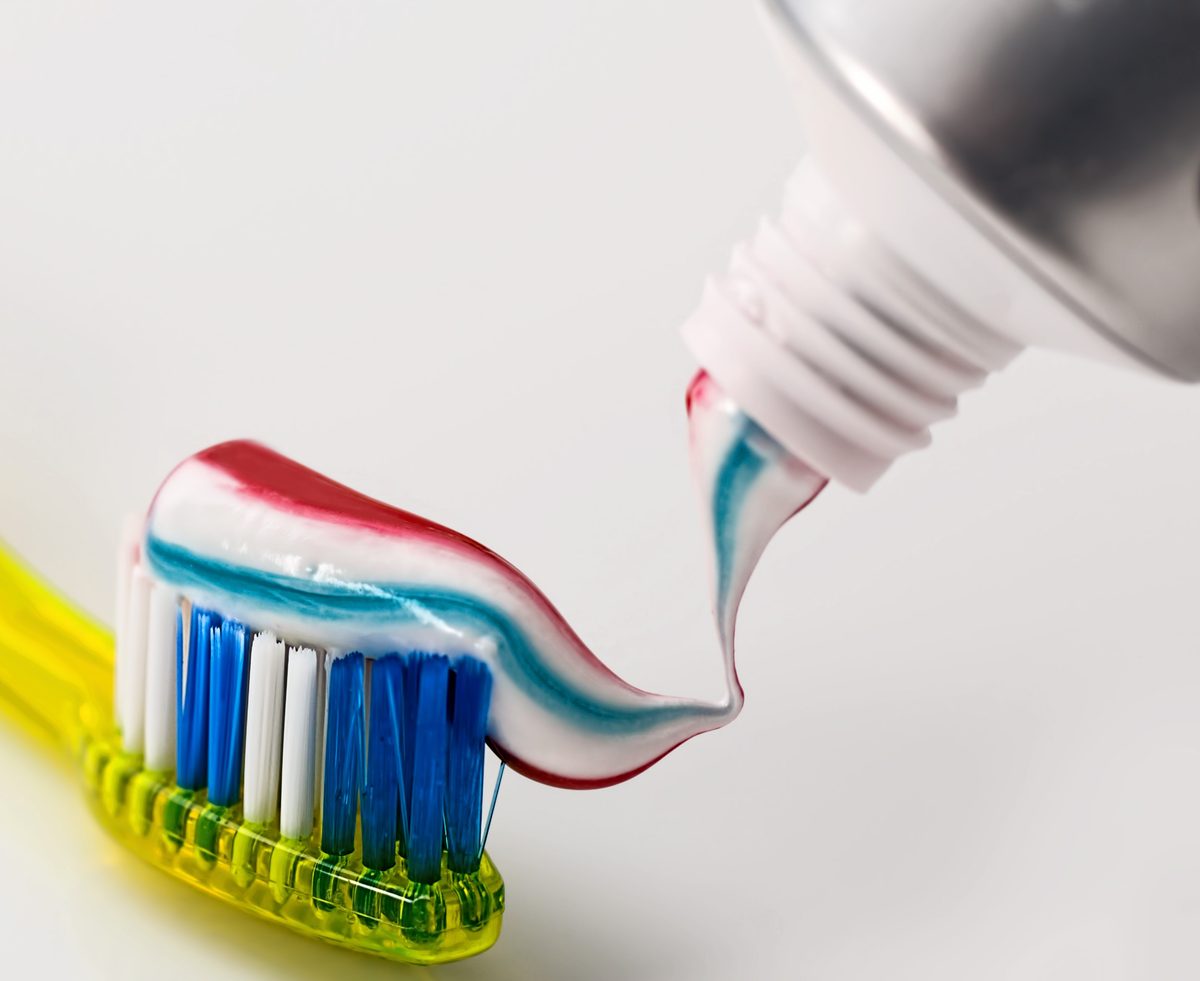
Wait around an hour after acidic food or drink before brushing, so the enamel has time to harden again. Use a soft-bristled brush, a gentle technique, and a fluoride toothpaste, which helps strengthen the tooth surface. Chewing sugar-free gum after meals encourages saliva flow, and finishing a meal with a small piece of cheese or a glass of milk can help neutralise acid.
When to see a dentist
A dentist can often spot erosion at a routine check-up before you notice it yourself, and can track whether it is progressing over time. If you have increasing sensitivity, visible changes in the colour or shape of your teeth, or frequent heartburn or reflux, it is a good idea to book an examination. Reflux sometimes causes erosion without obvious symptoms, so your dentist may suggest speaking to your doctor if the pattern of wear points to stomach acid.
Treatment depends on how much enamel has been lost. Mild erosion may only need dietary advice, fluoride applications, or a desensitising toothpaste. Where wear is more advanced, tooth-coloured bonding, veneers, or crowns can protect sensitive areas and restore the shape of the teeth. At Orchid Dental Wellness in Bhopal, Dr. Swapnil Sodhiya can assess your enamel, explain what is causing the wear, and help you put together a simple plan to protect your teeth.