
A sinus toothache is pain felt in the upper back teeth that is actually caused by pressure or inflammation in the maxillary sinuses, the air spaces that sit just above the roots of those teeth. It usually affects several teeth on one or both sides at once, often comes with a blocked nose or facial pressure, and tends to worsen when you bend forward, lie down, or walk down stairs.
Pain from a genuine dental problem, such as a cavity, cracked tooth, or abscess, is more often focused on a single tooth and may be triggered by hot, cold, sweet foods, or biting. Because the two can feel surprisingly similar, the safest approach is to watch for the patterns described below and to have a dental check if the pain does not settle as your cold or congestion clears.
Why sinus problems can make your teeth hurt
The maxillary sinuses sit in the cheekbones, directly above the upper molars and premolars. In many people the roots of these teeth lie very close to the sinus floor, separated only by a thin layer of bone, and they share nerve pathways with the sinus lining. When the sinuses swell and fill with mucus during a cold, allergy, or sinus infection, the extra pressure can press on those nerves and be felt as a dull ache in the teeth.
In Bhopal, sinus flare-ups are common during the monsoon humidity and the dusty, dry months, as well as around seasonal changes when colds circulate. Air pollution and allergies to pollen or dust mites can also keep the sinuses irritated for weeks at a time, which is why some people notice tooth discomfort that comes and goes with the season.
Signs that point to sinus pain or a dental problem
No single sign is definitive, but certain patterns make one cause more likely than the other. Pain is more likely to be coming from your sinuses if you notice:
- An ache across several upper back teeth rather than one specific tooth
- A blocked or runny nose, thick nasal discharge, or reduced sense of smell
- Pressure or tenderness in the cheeks, around the eyes, or across the forehead
- Pain that gets worse when you bend over, lie down, or move your head suddenly
- Tiredness, mild fever, or a recent cold or allergy flare-up
Pain is more likely to be dental if it is sharp and focused on one tooth, lingers after hot or cold drinks, hurts when you bite or release, affects lower teeth as well, or comes with swollen gums, a bad taste, or a pimple-like bump on the gum. Toothache that continues after your nose and sinuses have cleared is another strong hint that the tooth itself needs attention.
It is also worth knowing that the link can work in reverse. An infection at the root tip of an upper back tooth can occasionally spread into the sinus and cause one-sided sinus symptoms that keep returning, so recurring sinusitis on one side is a good reason to have the upper teeth examined.
What you can do at home
If your symptoms clearly began with a cold or allergy, simple measures that ease sinus congestion often ease the tooth discomfort too. Steam inhalation over a bowl of hot water, saline nasal rinses or sprays, drinking plenty of water, and resting with your head slightly raised can all help mucus drain and reduce pressure. A warm compress over the cheeks may also feel soothing.
Keep up gentle brushing and cleaning between your teeth even when you feel unwell, as a dry, congested mouth is more prone to plaque build-up. Over-the-counter pain relief may help in the short term, but follow the pack instructions or a pharmacist's advice, and avoid placing tablets directly against the gum, which can burn the tissue. If you have allergies that flare repeatedly, a doctor can help you find a longer-term plan.
When to see a dentist
Sinus-related tooth pain should fade as the congestion improves, usually within a week or so. Book a dental appointment if the pain is focused on one tooth, lasts beyond your other sinus symptoms, is triggered by temperature or biting, or keeps coming back in the same spot. Seek prompt care for facial swelling, fever with severe pain, or difficulty opening your mouth, as these can signal an infection that needs treatment.
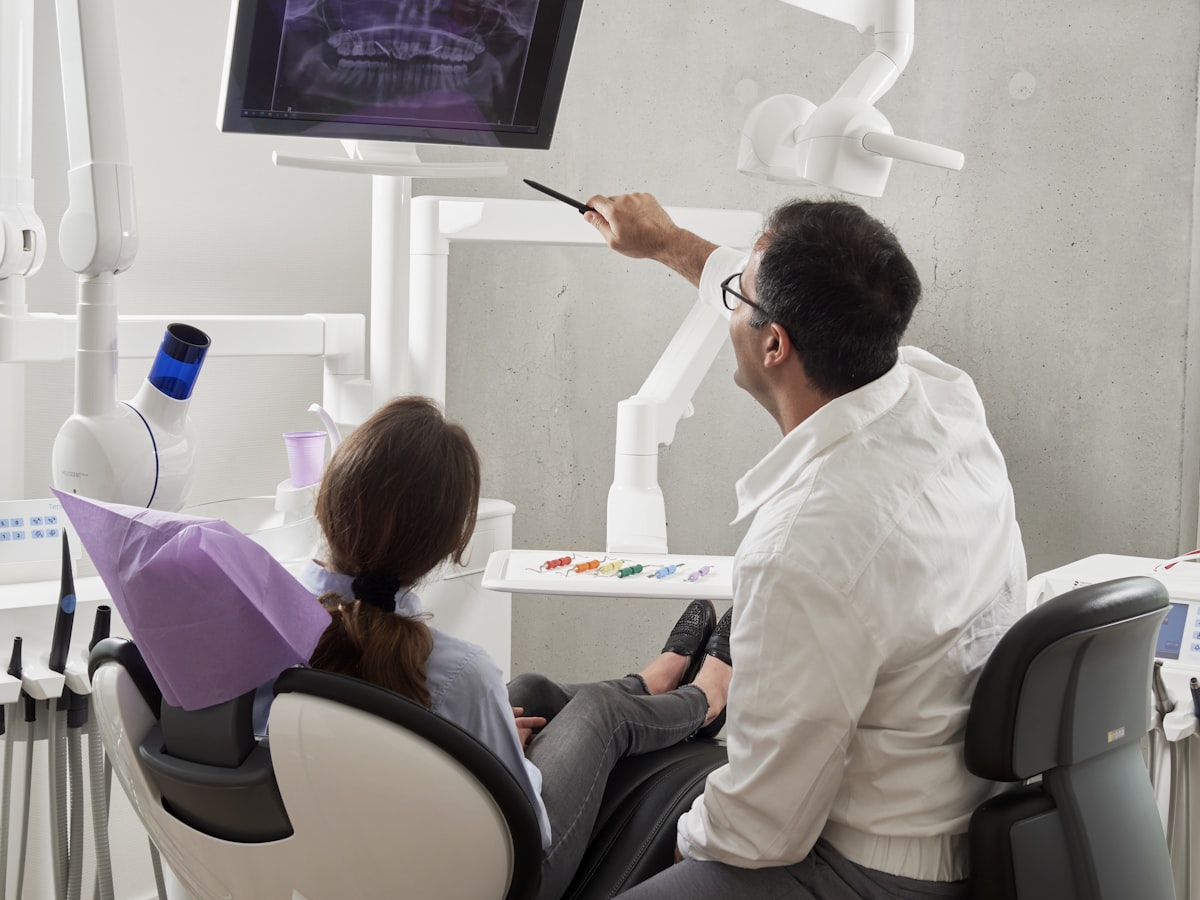
At the clinic, a dentist can tap and test individual teeth, check for decay or cracks, and take an X-ray to look at the roots and the bone near the sinus floor. If the teeth are healthy, you can be reassured and directed to a doctor or ENT specialist for the sinuses. At Orchid Dental Wellness, Dr. Swapnil Sodhiya can help work out whether upper tooth pain has a dental cause, so you get the right treatment rather than guessing.