
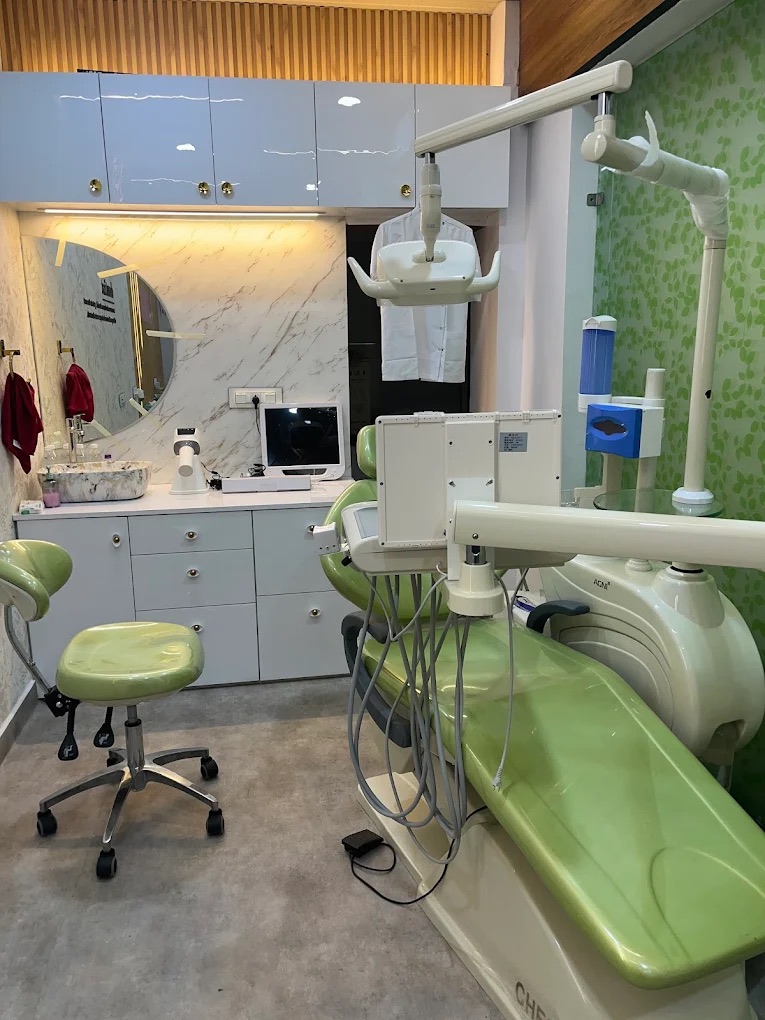
Good denture care comes down to a simple daily routine: rinse your dentures after meals, brush them gently once or twice a day with a soft brush and a non-abrasive cleaner, take them out at night, and keep them moist while they are out of your mouth. Just as important is caring for the gums, tongue, and any natural teeth underneath, and having the fit checked by a dentist regularly.
Whether you wear a full set or a partial denture, these habits help prevent bad breath, stains, gum soreness, and fungal infections. They also help your dentures last longer and stay comfortable, which makes eating and speaking much easier.
Why denture care matters
Dentures may not decay like natural teeth, but they collect plaque, food debris, and stains in exactly the same way. Left on the surface, this film can harbour bacteria and yeast that irritate the gums and the roof of the mouth, sometimes causing a red, sore area known as denture stomatitis.
For people with partial dentures, poor cleaning also puts the remaining natural teeth at risk. Plaque trapped around clasps and the edges of the denture can lead to decay and gum disease in the very teeth that help hold the denture in place.
A simple daily cleaning routine
A few minutes each day is enough to keep most dentures fresh and hygienic. Work over a folded towel or a basin of water, so the denture is cushioned if you drop it.
- Remove and rinse your dentures under running water after meals to wash away loose food
- Brush all surfaces at least once a day using a soft denture brush and a denture cleaner or mild unscented soap
- Soak them overnight in plain water or a denture-soaking solution, following the product instructions
- Rinse thoroughly before putting them back in, especially after using any soaking product
- Brush your gums, tongue, and palate gently with a soft toothbrush, and clean any natural teeth with fluoride toothpaste
Regular toothpaste is not ideal for dentures, because many contain abrasive particles that create fine scratches in the acrylic. Those scratches dull the surface over time and give stains and bacteria more places to cling.
Common mistakes to avoid
Some well-meant habits can quietly damage dentures or irritate the mouth. Hot or boiling water can warp the acrylic so that the denture no longer fits, and bleach or harsh household cleaners can weaken the material and discolour the pink base. Stiff brushes and scouring powders are also too harsh.
Letting dentures dry out is another common problem, as they can lose their shape if left exposed to air for long periods. Try not to adjust, bend, or repair dentures yourself, even if a clasp feels loose or an edge rubs. Home repairs with glue are rarely safe and often make a professional fix harder.
Taking dentures out overnight is generally recommended. This gives the gums and palate a chance to rest and recover, and it reduces the build-up of yeast and bacteria under the denture. If you have been advised otherwise for a particular reason, follow your dentist's guidance.
Eating, speaking, and settling in
New dentures can feel bulky for the first few weeks, and it is normal to produce more saliva or notice a few sore spots while your mouth adapts. Start with soft foods cut into small pieces, chew slowly using both sides of the mouth, and gradually return to your usual diet as your confidence grows.
Reading aloud and repeating words that feel awkward can help your speech settle more quickly. Denture adhesive can give extra stability for some people, but it should be used sparingly and is not a substitute for a good fit. If you find yourself needing more and more adhesive, that is usually a sign the denture needs attention.
When to see a dentist
The shape of the gums and jawbone slowly changes after teeth are lost, so even a well-made denture can gradually become loose. Regular check-ups, typically once or twice a year, let your dentist examine the soft tissues, check for early signs of problems, and adjust or reline the denture when needed.
Book an appointment sooner if you notice any of the following:
- Sore spots, ulcers, or red patches that do not settle within a week or two
- Dentures that slip, click, or feel loose when you eat or talk
- Cracks, chips, broken clasps, or a missing tooth on the denture
- Persistent bad taste or bad breath despite regular cleaning
At Orchid Dental Wellness in Bhopal, Dr. Swapnil Sodhiya can check the fit of your dentures, look after the health of your gums, and advise whether a reline, repair, or replacement would make daily life more comfortable.